At West Bend Dental Center
we recognize that our dental patients are individuals with different goals and needs. We provide high quality compassionate dental care for patients of all ages. Our dedicated team is proud to serve families in West Bend and the surrounding areas. Contact us today to schedule an appointment and see what we can do for your smile.
Our Services
Oral Examination
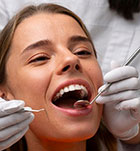
The initial oral examination includes a visual examination, charting, periodontal probing, diagnosis and treatment recommendations. X-rays will also be taken, which include the panoramic X-ray for proper diagnosis of the anterior (front) and posterior (back) teeth as well as the bite-wing X-ray series for proper diagnosis of proximal decay of posterior teeth.
Oral Examination
The initial oral examination includes a visual examination, charting, periodontal probing, diagnosis and treatment recommendations. X-rays will also be taken, which include the panoramic X-ray for proper diagnosis of the anterior (front) and posterior (back) teeth as well as the bite-wing X-ray series for proper diagnosis of proximal decay of posterior teeth.
Crowns and Bridges
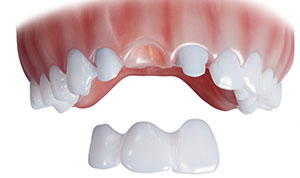
Crowns and bridges (Restorative Dentistry) refers to the restoration of natural teeth that have been damaged, decayed or lost. Once West Bend Dental Center has examined your teeth and has evaluated your dental and medical history, a diagnosis as well as treatment options will be discussed. A crown may be constructed to restore an individual damaged tooth back to its original form and function, while a bridge may be utilized to replace one or more teeth. These restorations are cemented onto the teeth and are referred to as "fixed" dentistry as opposed to a restoration of missing teeth with a removable appliance or partial denture.
Crowns and Bridges
Crowns and bridges (Restorative Dentistry) refers to the restoration of natural teeth that have been damaged, decayed or lost. Once West Bend Dental Center has examined your teeth and has evaluated your dental and medical history, a diagnosis as well as treatment options will be discussed. A crown may be constructed to restore an individual damaged tooth back to its original form and function, while a bridge may be utilized to replace one or more teeth. These restorations are cemented onto the teeth and are referred to as "fixed" dentistry as opposed to a restoration of missing teeth with a removable appliance or partial denture.
Root Canals
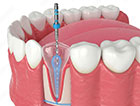
A root canal is a treatment used to repair and save a tooth that is badly decayed or becomes infected. During a root canal procedure, the nerve and pulp are removed and the inside of the tooth is cleaned and sealed. Without treatment, the tissue surrounding the tooth will become infected and abscesses may form.
Root Canals
A root canal is a treatment used to repair and save a tooth that is badly decayed or becomes infected. During a root canal procedure, the nerve and pulp are removed and the inside of the tooth is cleaned and sealed. Without treatment, the tissue surrounding the tooth will become infected and abscesses may form.
Extractions
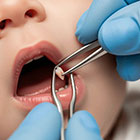
The removal of a tooth or teeth that is too badly damaged to save with any other dental procedure.
Extractions
The removal of a tooth or teeth that is too badly damaged to save with any other dental procedure.
Implant Prosthetics
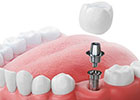
Implant prosthetics involves placing an artificial tooth root into the jaw to hold in place a replacement tooth, bridge, or denture. This "root" fuses to your own bone and then attaches to an artificial tooth or teeth. Dental implants, when done correctly, will provide you with a natural feel and look to your mouth, replacing dentures.
Implant Prosthetics
Implant prosthetics involves placing an artificial tooth root into the jaw to hold in place a replacement tooth, bridge, or denture. This "root" fuses to your own bone and then attaches to an artificial tooth or teeth. Dental implants, when done correctly, will provide you with a natural feel and look to your mouth, replacing dentures.
Tooth Whitening
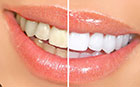
Teeth whitening solutions abound. Yet only 15 percent of the population has tried the cosmetic procedure, and misinformation on the subject is rife. The long and the short of it is that teeth whitening works. Virtually everyone who opts for this cosmetic treatment will see moderate to substantial improvement in the brightness and whiteness of their smile. However, teeth whitening is not a permanent solution and requires maintenance or “touch-ups” for a prolonged effect.
Tooth Whitening
Teeth whitening solutions abound. Yet only 15 percent of the population has tried the cosmetic procedure, and misinformation on the subject is rife. The long and the short of it is that teeth whitening works. Virtually everyone who opts for this cosmetic treatment will see moderate to substantial improvement in the brightness and whiteness of their smile. However, teeth whitening is not a permanent solution and requires maintenance or “touch-ups” for a prolonged effect.
Preventative Hygiene Therapy
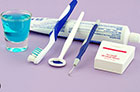
Preventive dentistry emphasizes the importance of ongoing hygiene procedures and daily practices to prevent tooth decay and other dental diseases and conditions. Effective preventive dentistry combines at-home oral care by patients with chairside treatments and counseling by dental professionals. For example, the American Dental Association (ADA) recommends a minimum of two dental checkups each year for professional cleaning and management of any developing conditions. Adhering to this recommendation can help your dentist stop dental disease in its earliest stages, protecting your smile and limiting your expense.
Preventative Hygiene Therapy
Preventive dentistry emphasizes the importance of ongoing hygiene procedures and daily practices to prevent tooth decay and other dental diseases and conditions. Effective preventive dentistry combines at-home oral care by patients with chairside treatments and counseling by dental professionals. For example, the American Dental Association (ADA) recommends a minimum of two dental checkups each year for professional cleaning and management of any developing conditions. Adhering to this recommendation can help your dentist stop dental disease in its earliest stages, protecting your smile and limiting your expense.
Cosmetic and Restorative Dentistry

While traditional dentistry focuses on oral hygiene and preventing, diagnosing and treating oral disease, cosmetic dentistry focuses on improving the appearance of a person's teeth, mouth and smile. In other words restorative, general and/or family dental practices address dental problems that require necessary treatment, whereas cosmetic dentistry provides elective – or desired – treatments or services.
Cosmetic and Restorative Dentistry
While traditional dentistry focuses on oral hygiene and preventing, diagnosing and treating oral disease, cosmetic dentistry focuses on improving the appearance of a person's teeth, mouth and smile. In other words restorative, general and/or family dental practices address dental problems that require necessary treatment, whereas cosmetic dentistry provides elective – or desired – treatments or services.
Comprehensive Periodontal Program
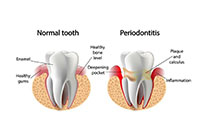
Gum disease – also known as periodontal disease and periodontitis – is an inflammatory condition affecting the tissues surrounding a tooth, and is the leading cause of tooth loss.
Gingivitis is a bacterial infection of the tissues in the mouth and potential precursor of gum disease. In order to determine the treatment modality that best meets your needs, your dentist will evaluate the extent of the damage caused by gum disease to develop a conservative initial plan. A dental hygiene evaluation will determine if plaque (soft deposits on the tooth) is being removed on a daily basis.
Comprehensive Periodontal Program
Gum disease – also known as periodontal disease and periodontitis – is an inflammatory condition affecting the tissues surrounding a tooth, and is the leading cause of tooth loss.
Gingivitis is a bacterial infection of the tissues in the mouth and potential precursor of gum disease. In order to determine the treatment modality that best meets your needs, your dentist will evaluate the extent of the damage caused by gum disease to develop a conservative initial plan. A dental hygiene evaluation will determine if plaque (soft deposits on the tooth) is being removed on a daily basis.
Importance of Baby Teeth

The baby teeth (aka primary teeth) are crucial for many reasons. In addition to chewing and appearance, primary teeth are responsible for guiding and maintaining the appropriate space for the succeeding permanent teeth. Premature loss of primary teeth can cause harmful shifting of remaining teeth and can create, or certainly complicate, future orthodontic problems. Additionally, primary teeth decay more aggressively than their permanent replacements and if not treated appropriately, can become infected/abscessed. Abscessed primary teeth are a serious matter and can cause emergent medical conditions as well as potentially damaging the permanent teeth underneath.
First Dental Visit
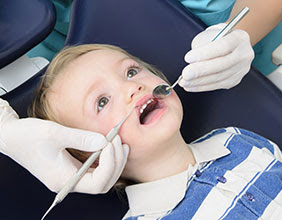
At what age should we begin seeing the dentist?" We concur with the American Academy of Pediatric Dentistry (AAPD) and suggest scheduling a child's first visit around the age of one. Establishing a relationship at an early age promotes patient and parent education, early detection of any potentially harmful conditions, and acclimates the children to the dental office and staff. Although most of our tiny patients (1-2 years) are too young to comprehend or fully cooperate, many do amazingly well and quickly learn to enjoy the entire experience! Initially, most begin with a comprehensive exam, typically sitting on mom or dad's lap. As time progresses and the children gain experience the dental team will begin introducing them to all of the interesting and exciting things each visit has to offer
First Dental Visit
At what age should we begin seeing the dentist?" We concur with the American Academy of Pediatric Dentistry (AAPD) and suggest scheduling a child's first visit around the age of one. Establishing a relationship at an early age promotes patient and parent education, early detection of any potentially harmful conditions, and acclimates the children to the dental office and staff. Although most of our tiny patients (1-2 years) are too young to comprehend or fully cooperate, many do amazingly well and quickly learn to enjoy the entire experience! Initially, most begin with a comprehensive exam, typically sitting on mom or dad's lap. As time progresses and the children gain experience the dental team will begin introducing them to all of the interesting and exciting things each visit has to offer
Utilizing a "Tell- Show-Do" Education
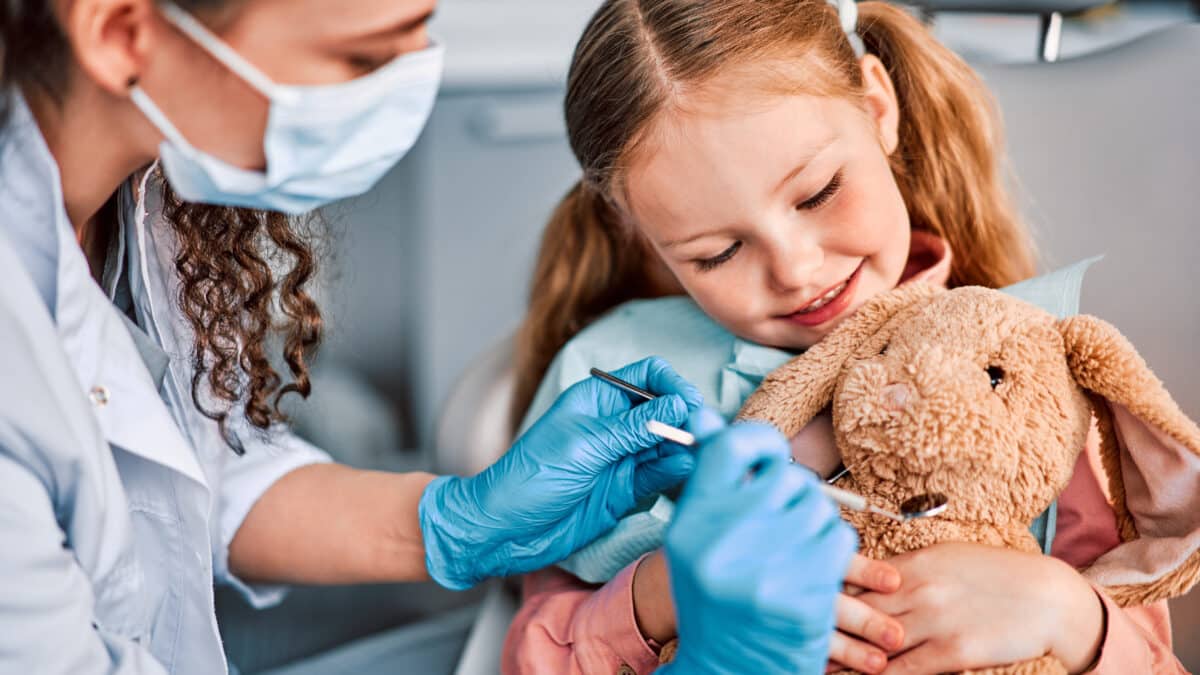
This ensures that each child is informed, comfortable and happy. All procedures are explained in a non-threatening manner using kid-friendly terminology. Please keep in mind that terms such as needle, shot, pinch, tooth poker, drill, pull, yanking can create significant anxiety and potential behavioral issues. Terminology such as sleepy juice and sleepy juice machine, tooth counter, tooth washer and "..wiggle the tooth" are much better alternatives and still enable the children to fully understand and participate.
Utilizing a "Tell- Show-Do" Education
This ensures that each child is informed, comfortable and happy. All procedures are explained in a non-threatening manner using kid-friendly terminology. Please keep in mind that terms such as needle, shot, pinch, tooth poker, drill, pull, yanking can create significant anxiety and potential behavioral issues. Terminology such as sleepy juice and sleepy juice machine, tooth counter, tooth washer and "..wiggle the tooth" are much better alternatives and still enable the children to fully understand and participate.